Why did Russia invade Ukraine and has Putin's war failed?
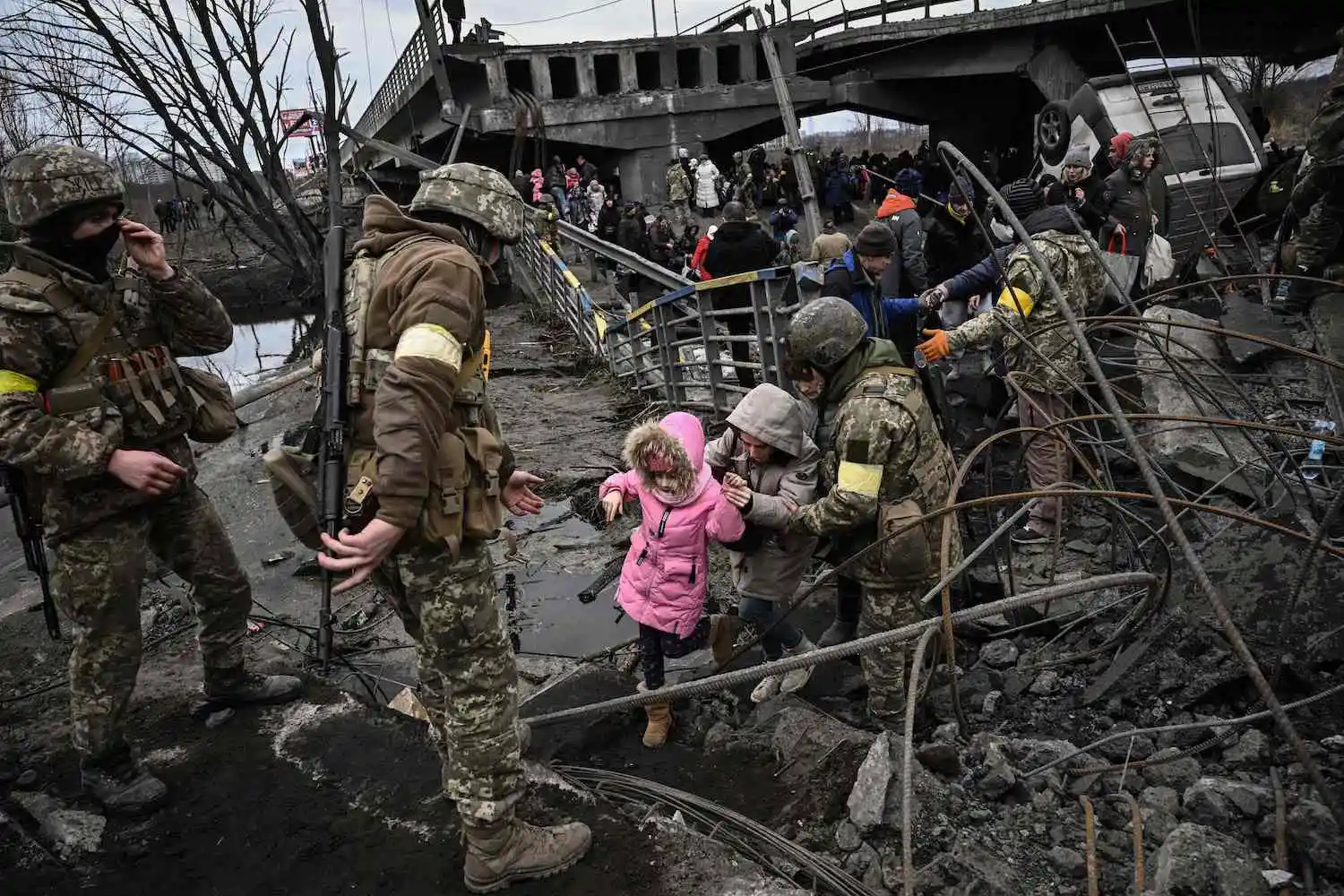
When Vladimir Putin sent up to 200,000 soldiers into Ukraine on 24 February, he thought he could sweep into the capital Kyiv in a matter of days and depose the government.
Russian forces quickly captured big stretches of territory but failed to encircle Kyiv.
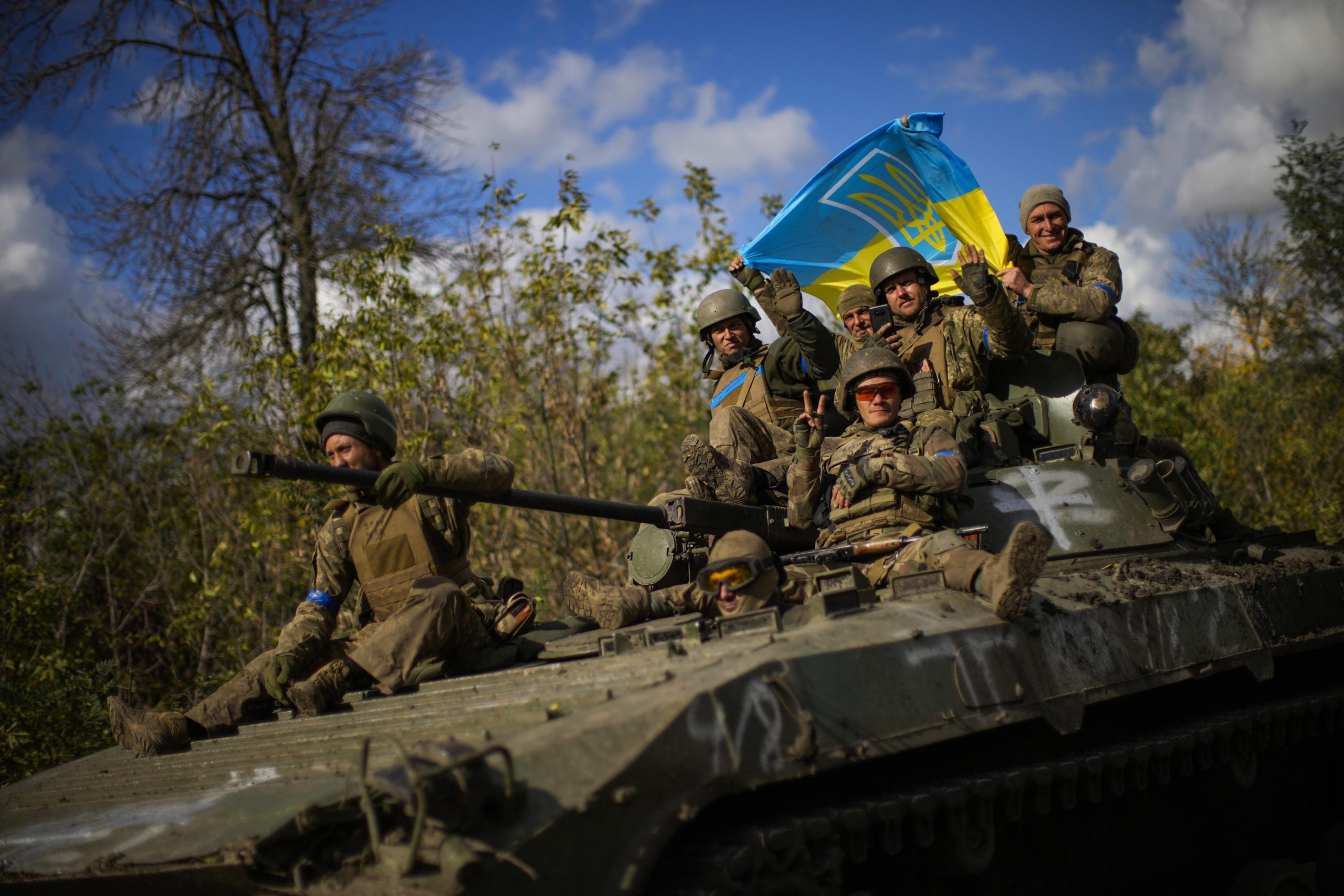
Yet in the coming months they were forced into a series of humiliating retreats, first in the north and now in the south. To date, they have lost more than half the territory seized at the start of the invasion.
What was Putin's original goal?
Even now, Russia's leader describes the biggest European invasion since the end of World War Two as a "special military operation" rather than the full-scale war that has left millions of Ukrainians displaced inside their country and beyond.
Sending troops into Ukraine from the north, south and east on 24 February, he told the Russian people his goal was to "demilitarise and de-Nazify Ukraine". His declared aim was to protect people subjected to what he called eight years of bullying and genocide by Ukraine's government - claims which have no basis in evidence. It was framed as an attempt at preventing Nato from gaining a foothold in Ukraine. Another objective was soon added: ensuring Ukraine's neutral status.
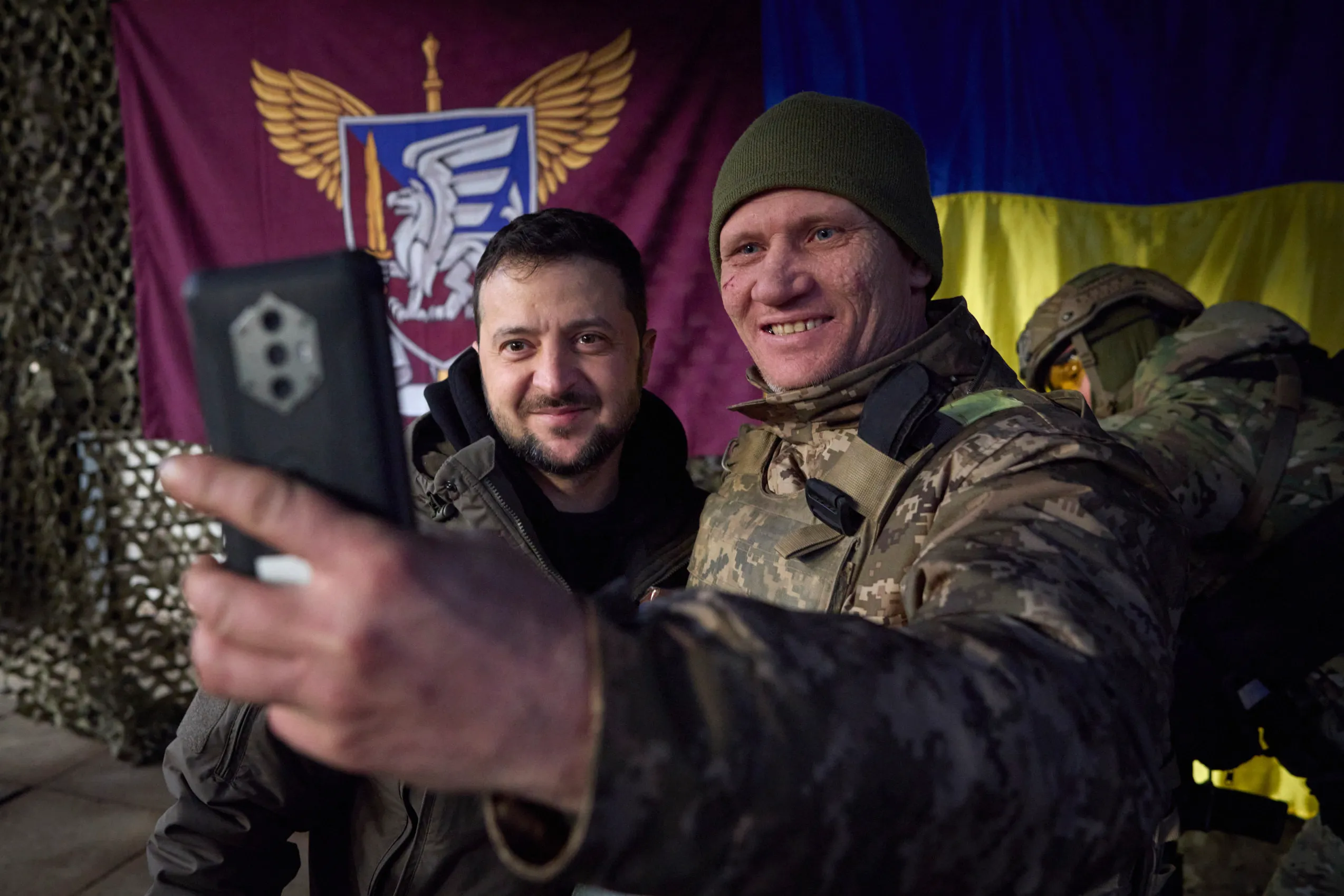
High on the agenda was toppling the government of Ukraine's elected president. "The enemy has designated me as target number one; my family is target number two," said Volodymyr Zelensky. Russian troops made two attempts to storm the presidential compound, according to his advisor.
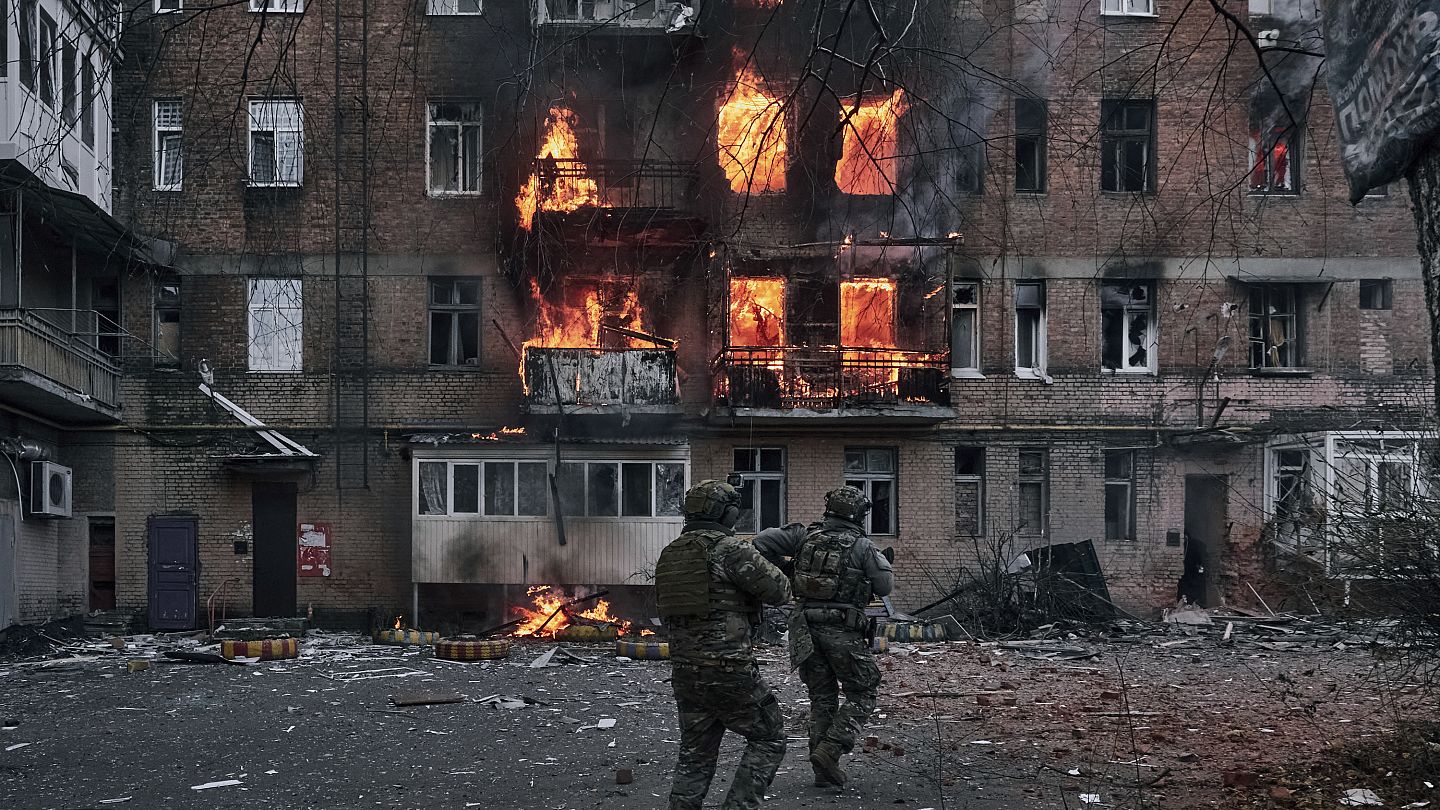
It didn't add up
Repeated Russian claims of Nazis and genocide in eastern Ukraine were completely unfounded but they have formed part of a narrative repeated by Russia since its proxy forces seized parts of the Luhansk and Donetsk regions in the east of the country in 2014, triggering a war with Ukrainian forces. "It's crazy, sometimes not even they can explain what they are referring to," complained Ukraine's foreign minister Dmytro Kuleba.
An opinion piece by Russian state-run news agency Ria Novosti in early April made clear that "denazification is inevitably also de-Ukrainisation" - in effect erasing the modern state of Ukraine. It was published as details emerged of war crimes committed by Russian forces against civilians in Bucha, near Kyiv. An independent report later accused Russia itself of state-orchestrated incitement to genocide.
As for joining Nato, even before the invasion Ukraine reportedly agreed a provisional deal with Russia to stay out of the Western defensive alliance. Russia does not want its neighbour to join Nato, as it fears this would encroach too closely on its territory. By March, President Zelensky had publicly accepted joining Nato would not happen: "It's a truth and it must be recognised." Ukraine offered to become a non-aligned, non-nuclear state, but negotiations broke down.